Nova Scotia uses the current federal Schedule I
Nova Scotia's Provincial Child Support Guidelines adopt the federal Schedule I as amended from time to time. The current table figures took effect October 1, 2025.
What this calculator estimates
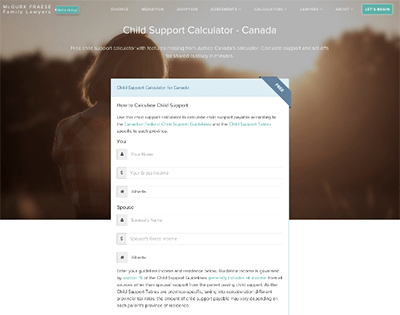
Enter the paying parent's annual gross income before tax, province or territory of residence, and number of children. The calculator returns the monthly Schedule I table amount from the 2025 Federal Child Support Tables, effective October 1, 2025.
The table amount is a starting point. The correct support amount depends on the law that applies, reliable income information, the parenting arrangement, and the facts of the family.
A straightforward table example
For one child and annual income of $80,000, the 2025 Nova Scotia table returns $678 per month. This figure covers the base table amount. A shared or split schedule, section 7 expenses, a contested income figure, or an undue hardship claim calls for a fuller calculation.
Current court structure across Nova Scotia
The Supreme Court Family Division became a unified, province-wide court for family matters on January 1, 2022. Older material limiting the Family Division to Halifax Regional Municipality and Cape Breton reflects the former structure.
The court process depends on the relief sought and the existing record. Current court forms, directions, and filing information should guide the next step, especially where the parents disagree about income, parenting, expenses, or a variation.
Recalculation and enforcement serve different purposes
Administrative recalculation can update eligible support amounts using current income information under Nova Scotia's recalculation rules. The Maintenance Enforcement Program receives, pays, tracks, and enforces support under enrolled orders and agreements.
Enforcement works from the terms already registered. A new calculation, agreement, recalculation decision, or court variation supplies revised terms when the underlying amount changes.
Match the process to the issue
An annual income update may fit the recalculation process. A dispute about the income figure, a shared schedule, section 7 expenses, retroactive support, or arrears may require a different route. Begin with the existing order or agreement and identify the exact term that needs attention.
Collect tax returns, notices of assessment, current income records, the parenting schedule, expense documents, and payment history. In a variation, the history matters alongside the current figures. In enforcement, the registered terms and payment record show what became due and what remains outstanding.
When the calculation needs more information
The table result answers one question: the monthly Schedule I amount for the three inputs entered. A fuller support calculation brings in:
- shared parenting time or split parenting arrangements
- section 7 special or extraordinary expenses
- undue hardship claims
- income that is disputed, imputed, self-employment income, or income that varies
- income above $150,000
- retroactive support or arrears
- any order, agreement, variation, or enforcement decision
Use the estimate as a starting figure. The enforceable amount comes from the applicable order or agreement, interpreted alongside the Guidelines and the evidence for the family.
Official sources and services
- 2025 Federal Child Support Tables (Department of Justice Canada, verified August 2, 2026)
- Federal Child Support Guidelines (Justice Laws Website, verified August 2, 2026)
- Provincial Child Support Guidelines (Nova Scotia Registry of Regulations, verified August 2, 2026)
- Supreme Court Family Division (Courts of Nova Scotia, verified August 2, 2026)
- Maintenance Enforcement Program (Nova Scotia Department of Justice, verified August 2, 2026)
- Administrative Recalculation of Child Maintenance Regulations (Nova Scotia Registry of Regulations, verified August 2, 2026)